

Transform Your Space: Finding the Perfect Flooring for Every Room
Exploring Popular Flooring Options: From Hardwood to Luxury Vinyl
When it comes to upgrading your home, the choice of flooring can set the tone for your entire space. With a plethora of options available, from classic hardwood to modern luxury vinyl, it’s essential to consider various factors such as durability, maintenance, and aesthetic appeal. Hardwood flooring, appreciated for its authenticity and rich character, offers timeless beauty but requires careful consideration regarding maintenance and susceptibility to scratches and dents. On the other hand, luxury vinyl planks mimic the look of natural wood or stone while providing enhanced water resistance and durability, making them an excellent choice for high-traffic areas like kitchens and bathrooms. Additionally, materials like laminate and tile fulfill specific functional needs, with tile being especially popular in areas that require easy cleaning and moisture resistance.
Impact of Flooring Choices on Home Value and Aesthetics
The flooring in your home significantly impacts both aesthetics and property value. Potential buyers often make quick visual assessments that can influence their perceptions of the value of a property. For instance, quality hardwood flooring can add a touch of elegance, and it’s well-documented that homes with hardwood floors may sell for a premium compared to those with carpeting or lower-quality options. Moreover, flooring can play a pivotal role in establishing a cohesive aesthetic throughout your home. Consistent design choices across different spaces help create an inviting and harmonious atmosphere that resonates with modern homeowners. This holistic approach to flooring not only enhances your living environment but can also make your home more attractive during resale, tapping into the design preferences of a broader audience.
Eco-Friendly Flooring Solutions: Sustainable Options for the Conscious Homeowner
Sustainability is an increasingly important consideration in home improvement projects. As awareness of environmental issues grows, many homeowners are turning towards eco-friendly flooring solutions that do not compromise on quality or aesthetics. Natural options such as bamboo and cork are gaining popularity due to their renewability and low environmental impact. Bamboo, for example, matures rapidly and can be harvested without damage to the plant itself, making it a sustainable choice. Similarly, reclaimed wood flooring not only adds character and history to a home but helps reduce waste by repurposing materials that might otherwise end up in landfills. In addition to these materials, look for products that contain low or no volatile organic compounds (VOCs), which can contribute to indoor air pollution. By opting for sustainable flooring solutions, you not only enhance your home’s attractiveness but also contribute to a healthier planet for future generations.
Weathering the Storm: Roofing Essentials that Stand the Test of Time
Understanding Different Roofing Materials: Pros and Cons of Each Type
Choosing the right roofing material is crucial for ensuring your home can withstand the elements while also enhancing its curb appeal. Popular roofing options include asphalt shingles, metal roofing, slate, and wood shakes, each with its own set of advantages and disadvantages. Asphalt shingles are the most common choice due to their affordability and ease of installation, but they may not perform as well in extreme weather conditions. Metal roofing, while generally more expensive upfront, is incredibly durable, offers excellent energy efficiency, and has a lifespan that can surpass several decades. Slate roofing is revered for its natural beauty and longevity, but it comes with a higher price tag and requires specialized installation expertise to avoid costly mistakes. Understanding these pros and cons will enable homeowners to make informed decisions that align with their budget, aesthetic preferences, and environmental considerations.
How to Choose the Right Roof for Your Climate and Style
Selecting the appropriate roofing material also depends on the specific climate and weather conditions in your area. For instance, homes in regions prone to heavy snowfall might benefit from a steeply pitched roof that allows snow to slide off easily, helping to prevent structural damage. On the other hand, areas with high winds may require materials that can withstand such conditions, leading many to opt for metal or high-quality shingles specifically designed to resist wind uplift. The architectural style of your home should also direct your roof choice; for example, Mediterranean-style homes typically feature clay or concrete tiles, while modern, minimalist designs often pair well with flat roofs and sleek metal. Make an informed choice by consulting with local roofing experts who can guide you based on their understanding of local building codes and climate patterns.
Maintenance Tips to Prolong Your Roof’s Lifespan and Performance
Breathe Easy: The Importance of Proper Ventilation for Your Home
Understanding Home Ventilation: Types and Their Benefits
Proper home ventilation is crucial for maintaining good air quality and achieving energy efficiency. There are two primary types of ventilation: natural and mechanical. Natural ventilation relies on passive air movements through windows, doors, and vents, allowing for fresh air exchange with minimal energy usage. In contrast, mechanical ventilation uses fans and ducts to provide controlled air movement, allowing homeowners to rigorously filter and condition the air entering their homes. Each method has distinct advantages; for instance, natural ventilation often leads to lower energy costs, while mechanical systems can efficiently ventilate tight or insulated spaces where air can become stagnant. Efficient ventilation is not just about comfort; it also helps reduce the risk of moisture build-up and indoor pollutants, contributing significantly to the overall health of your living space.
How Poor Ventilation Can Impact Your Health and Comfort
Neglecting proper ventilation can have severe implications for homeowner health and comfort. Poor indoor air quality is known to exacerbate allergies, respiratory conditions, and other health issues. Mold and mildew thrive in damp environments that poor ventilation can create, leading to structural damage as well as potential health hazards. Additionally, insufficient air circulation can result in an overheated home, making it uncomfortable during warmer months, or create drafts and cold spots in the winter. An effective ventilation system ensures that indoor air is refreshed, reducing humidity levels and improving occupant comfort. Proactive measures, such as using exhaust fans in high-moisture areas and investing in air purification systems, can significantly enhance indoor air quality, ensuring a healthier home environment.
Innovative Solutions for Enhancing Indoor Air Quality
Advancements in ventilation technology have led to the development of several innovative solutions aimed at improving indoor air quality. Energy Recovery Ventilators (ERVs) are one such solution; they allow homes to exchange stale indoor air for fresh outdoor air while recovering energy from the outgoing air to minimize energy loss. Other technologies, like ductless mini-split systems, provide both heating and cooling while promoting better airflow in spaces lacking adequate ductwork. Additionally, incorporating houseplants strategically can not only enhance aesthetic appeal but also aid in improving indoor air quality by converting carbon dioxide into oxygen and filtering out harmful substances. Addressing indoor air quality with innovative solutions ensures a healthier, more comfortable living space, setting the stage for improved overall well-being for you and your family.
The Finishing Touch: Key Accessories and Supplies for Flooring and Roofing Projects
Must-Have Tools and Materials for a Successful Installation
Successful home improvement projects rely not only on quality materials but also on having the right tools for installation. For flooring projects, essential tools include a tape measure, level, flooring saw, and a rubber mallet to ensure exact cuts and proper fitting. Installing luxury vinyl, for example, often entails having a utility knife and a straight edge for precision cutting, while hardwood installations may require a nail gun. When it comes to roofing, a good ladder, roofing nails, and a utility knife are essential. Safety gear, including gloves and eye protection, cannot be overlooked. By ensuring you have the right tools on hand, you can streamline the installation process, reduce potential mistakes, and achieve a professional-looking finish.
DIY vs. Professional Help: When to Call in the Experts
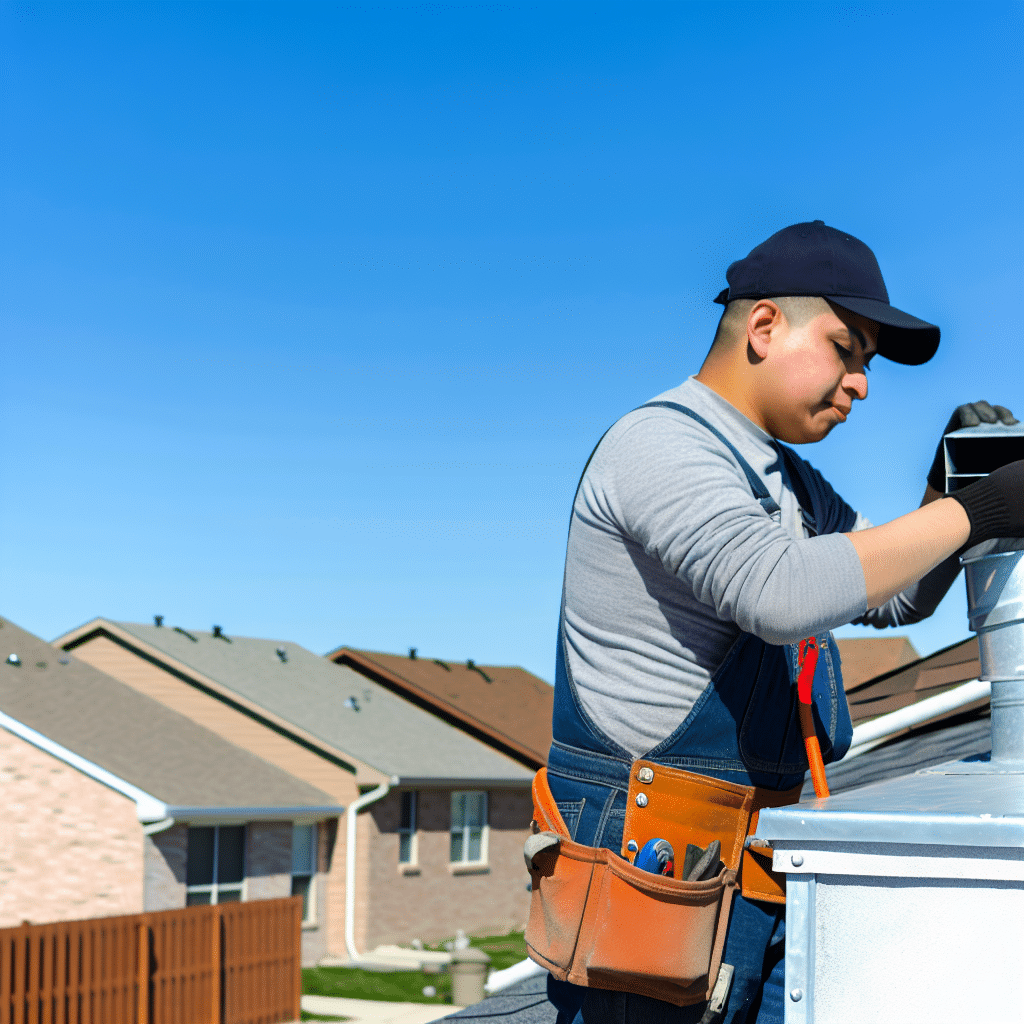
Many homeowners are eager to tackle DIY projects to save money, but it’s critical to determine when professional help is necessary. While small flooring projects like installing laminate or vinyl can be manageable for a skilled DIYer, tasks involving intricate patterns or high ceilings often require professional expertise. Roofing projects, given their complexity and safety risks, generally benefit from professional involvement. Roof installations can require specialized equipment and safety protocols that the average homeowner may not possess. Furthermore, professional roofers bring experience that is invaluable for navigating local codes, selecting appropriate materials, and ensuring safe, durable installations. Evaluating your skill level, the scope of the project, and potential safety risks will guide you in making the best decision.
Budgeting for Your Home Improvement Projects: Smart Spending Strategies
Home improvement projects can be significant financial investments, and effective budgeting is essential for achieving your desired results without overspending. Start by obtaining multiple estimates for both materials and labor including flooring, roofing, and ventilation supplies to ensure you’re getting the best possible value. Setting aside a contingency fund, typically 10–20% of your total project cost, helps you manage unexpected expenses without derailing your plans. It’s also wise to prioritize high-impact improvements that add the most value to your home, such as updated flooring or roof repairs, which can greatly enhance both aesthetic appeal and property value when done correctly. Additionally, considering off-season purchases can lead to deeper discounts, as demand for many materials tends to drop during cooler months. By implementing smart purchasing strategies and maintaining meticulous planning, you can complete successful home improvement projects while staying in full financial control.