

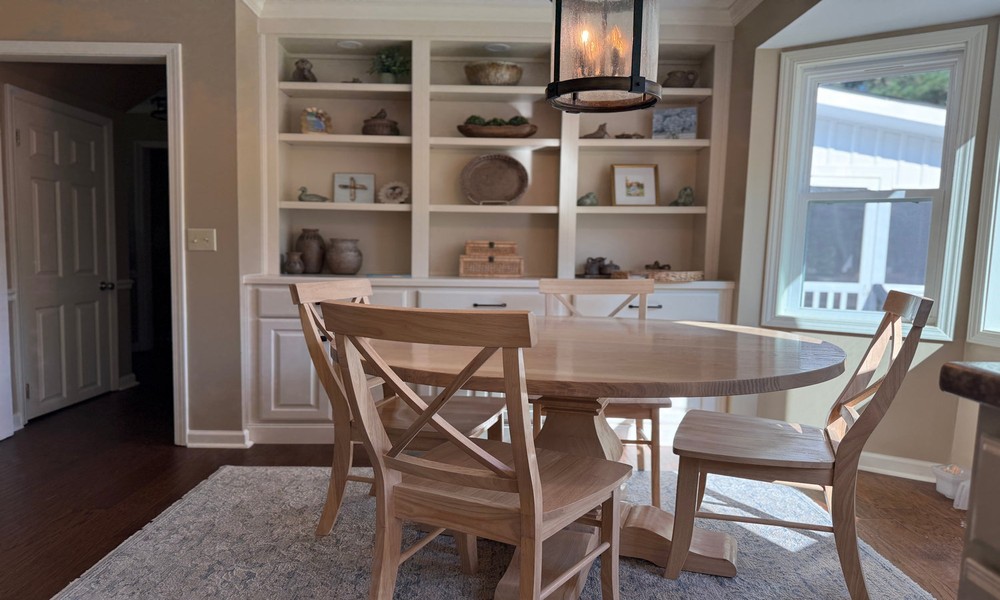
I spend a lot of time helping people think through large home purchases. A dining table sits at the center of daily life, which means small choices end up mattering. I look at build quality, materials, sizing logic, and how clear the buying process feels. That is how I choose what to recommend.
If you are shopping for dining room furniture, I suggest starting with how you actually live, not trends. I will walk you through how to think about dining tables, how custom options solve common problems, and why real wood matters. I will also explain why Fellowship Furniture stands out if you want something built to last and fit your space.
Why the Dining Table Deserves More Thought
A dining table is not a short term purchase. You use it every day, even if meals happen fast. It takes wear from heat, spills, weight, and movement. I see many people regret choosing a table based only on looks or price.
You benefit when you think about function first.
Ask yourself a few direct questions.
- How many people sit at the table most days
- How many people you host at peak times
- Whether the room is long, square, or open
- How close chairs need to sit to walls or walkways
These answers shape the size and shape of the table far more than style.
Buying Dining Tables vs Choosing Custom
Stock tables work when your space fits standard sizing. Many homes do not.
Custom dining tables solve problems that off the shelf options ignore. I often recommend custom when a room feels tight, seating needs vary, or the table must anchor the entire space.
Custom work lets you control:
- Length, width, and height
- Leg placement for chair comfort
- Shape that matches the room layout
- Finish color that matches floors or cabinets
Fellowship Furniture guides customers through this process in a clear order. You choose a style first, then size, then wood species, then finish. That structure reduces guesswork and prevents costly mistakes.
Why Real Wood Tables Matter
I always advise real wood over veneered or engineered materials for dining tables.
Solid wood handles daily use better. It can be repaired, refinished, and maintained over time. Veneers cannot. Once damaged, they often fail fast.
Fellowship Furniture builds with real American hardwood lumber. They offer five standard wood species, each with its own look and feel. You can also choose from a wide range of stains and paints.
This matters because wood grain and tone vary. They make that clear upfront and explain that natural variation is part of the material. That honesty builds trust and helps buyers set proper expectations.
Choosing the Right Table Style
Style should support the room, not fight it.
Fellowship Furniture offers nearly thirty dining table designs. These cover farmhouse, modern, simple, and ornate looks. A few popular examples include the Ryder dining table, Adelaide table, Deborah round table, Austyn dining table, and the 1920’s Railway table.
I suggest narrowing your options this way.
- Long rectangular tables work well in narrow rooms
- Round tables suit square rooms and small groups
- Thick tops add weight to large open spaces
- Slim profiles keep smaller rooms feeling open
They also offer variations like breadboards or recessed steel channels under the tabletop. These options help manage seasonal wood movement while keeping the surface stable.
Finish and Color Selection Without Guesswork
Finish mistakes cause more regret than table size.
Lighting changes color. Floors reflect tone. Cabinets influence contrast. I always tell people to test finishes at home before committing.
Fellowship Furniture supports this by offering finish samples that you can view in your own space. You can test them under your lighting and next to other furniture. This step alone prevents many returns and mismatches.
Their finishes are designed to be durable, water resistant, and easy to maintain. You can choose sheen levels like matte, velvet, satin, or low gloss based on how much reflection you want.
What the Build Process Looks Like
Clear communication matters with custom furniture.
Fellowship Furniture explains their build process upfront. After ordering, customers receive a short video message that outlines the plan. They also provide updates during production and offer support through messages, video calls, or in person visits.
Production lead times usually fall between four and six weeks, depending on schedule and load. Rush orders may be available when staffing allows.
Because each piece is handcrafted, small variations in grain, tone, or dimensions can occur. They explain these tolerances clearly, which helps buyers understand what is normal with solid wood construction.
Long Term Care and Support
Real wood needs basic care. That is part of the tradeoff.
I advise owners to expect light maintenance once or twice per year, such as re-oiling or refreshing a topcoat. Fellowship Furniture provides guidance and technical support for this.
They also offer a lifetime fellowship promise that covers certain structural issues tied to seasonal movement. If something arrives incorrect based on agreed specs, they indicate they will fix or replace it. That approach reduces risk for buyers investing in custom work.
Why I Recommend Fellowship Furniture
I look for builders who explain tradeoffs, not hide them.
Fellowship Furniture stands out because they combine real hardwood construction, a structured customization process, and clear communication. They help customers choose wisely rather than pushing quick decisions. Their range of styles, wood options, and finishes makes it easier to get a table that fits both the room and daily life.
If you want a dining table that feels intentional and built for years of use, they are worth serious consideration.