

If your HVAC system feels weaker or louder after sitting unused for months, you are not imagining things. Many homeowners around Cincinnati notice this exact issue when they turn on their system for the first big heat wave or cold snap.
But why does a system that worked fine last season suddenly struggle after a long break? Let’s walk through what really happens inside your HVAC during idle periods and what you can do about it.
What Happens Inside Your HVAC When It Sits Idle
When an HVAC system is not running regularly, its internal parts do not simply pause in perfect condition. Oils that lubricate the compressor can slowly move away from critical components.
When the system finally starts again, those parts may experience extra friction before lubrication redistributes properly. That added strain can cause noisy startups or reduced performance right away.
Rubber seals and gaskets also suffer during long downtime. Months of inactivity can cause them to dry out or shrink slightly. Once the system turns back on, those weakened seals may allow small refrigerant leaks to develop. Even a minor leak can reduce cooling power and force the system to run longer cycles.
Why Electrical Components Are Often the First to Fail
Electrical parts dislike sitting still. Capacitors, which help motors start smoothly, can weaken when they are not used for long periods. A weak capacitor may still allow the system to turn on, but it makes motors work much harder than they should. This often leads to overheating or sudden shutdowns shortly after restart.
Moisture is another problem, especially in Cincinnati’s humid climate. Idle systems can collect moisture inside electrical panels and connections. Over time, that moisture can cause corrosion, leading to inconsistent signals, short cycling, or systems that fail to start at all.
How Airflow Problems Build Up During Downtime
While your HVAC is resting, dust does not take a break. Filters, coils, and duct openings slowly collect debris. Outdoor units are especially vulnerable. Leaves, grass, and even small animals can block airflow around the condenser. When airflow is restricted, the system cannot release heat efficiently, which makes it feel underpowered and stressed.
Indoor airflow can suffer too. Dust buildup on coils acts like insulation, trapping heat instead of transferring it. The system then runs longer, uses more energy, and delivers less comfort.
How To Prevent Performance Drops After Idle Periods
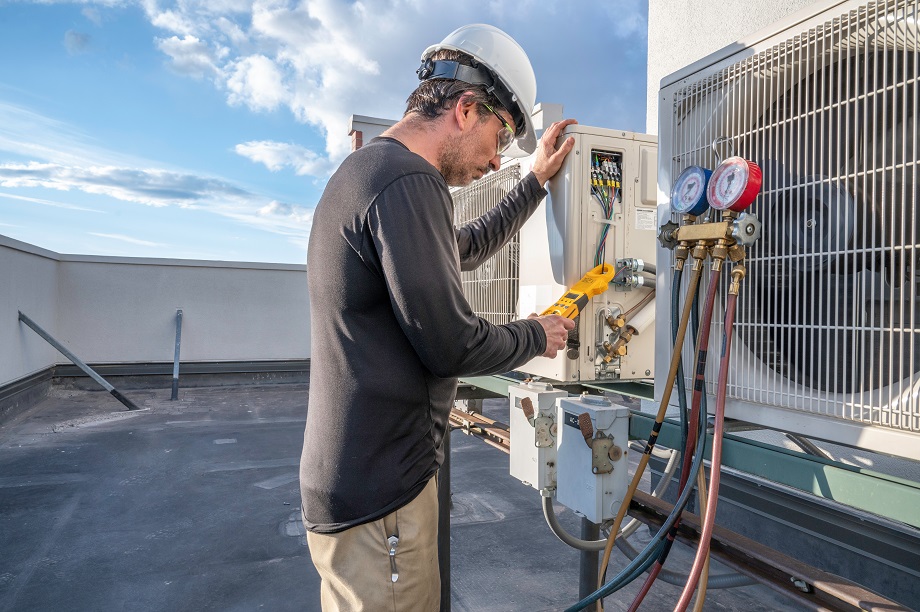
The best solution is simple preparation. Running your system briefly before peak season helps catch problems early. Changing filters, clearing outdoor debris, and scheduling a professional inspection can make a huge difference.
Local homeowners trust HELP Plumbing, Heating, Cooling, and Drains to handle these preseason checkups because they understand Cincinnati’s weather patterns and how they affect HVAC systems.