

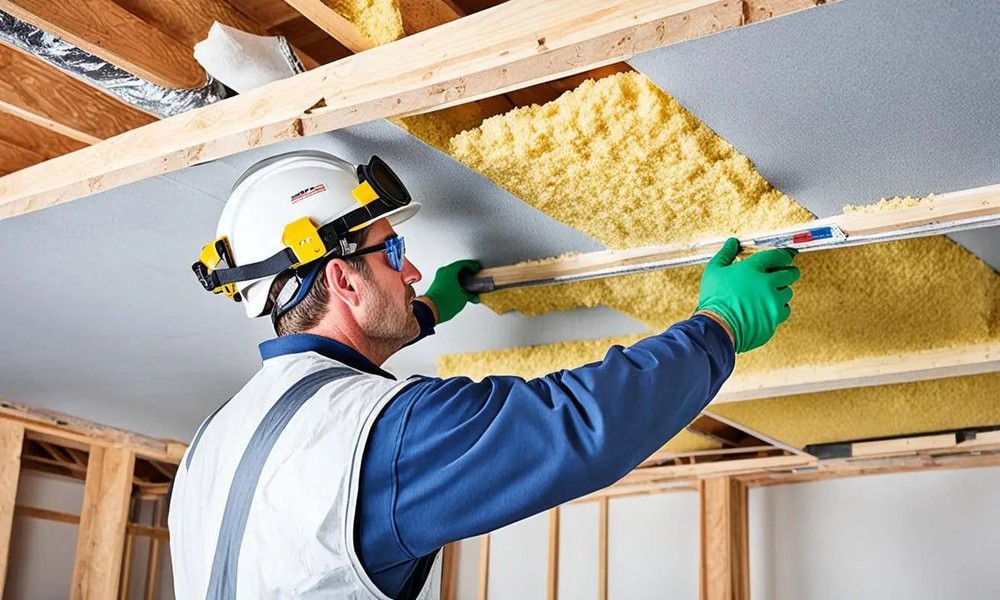
Selecting the proper insulation materials is a critical step in any construction or industrial project. The right choice impacts energy efficiency, safety, and long-term maintenance costs. Mechanical insulation plays a vital role in regulating temperature, preventing heat loss, and protecting equipment. Understanding the options and their applications ensures your project performs optimally while avoiding unnecessary expenses.
Benefits Of Mechanical Insulation In Modern Projects
Mechanical insulation refers to materials applied to pipes, ducts, and equipment to reduce energy loss, control temperature, and prevent condensation. Using it effectively improves system efficiency and lowers operational costs. Modern projects benefit from advanced insulation options that combine durability with thermal performance. From reducing energy bills to enhancing workplace safety, the advantages of mechanical insulation make it an essential consideration during planning and design phases.
Types Of Mechanical Insulation Materials Available
There is a wide range of mechanical insulation materials to choose from. Fiberglass, mineral wool, foam, and aerogel are among the most common options. Each has specific thermal properties, moisture resistance, and installation requirements. Fiberglass is lightweight and flexible, making it ideal for irregular shapes. Mineral wool offers excellent fire resistance. Foam insulation provides high R-values for compact spaces. Selecting the right material ensures your project meets both regulatory and performance standards while maintaining longevity.
Thermal Performance And Energy Efficiency Considerations
Insulation materials vary in their thermal conductivity and R-value, which determine how effectively they reduce heat transfer. Projects with higher temperature ranges need materials that can withstand extreme conditions without degrading. Proper mechanical insulation helps maintain energy efficiency by minimizing heat loss or gain. Evaluating the thermal performance of different options allows engineers and contractors to balance upfront costs with long-term energy savings, making mechanical insulation a strategic investment.
Durability And Maintenance Requirements
Durability is a crucial factor when choosing mechanical insulation. Materials that resist moisture, corrosion, and physical damage reduce the need for frequent repairs. Foam and aerogel provide long-lasting protection in harsh environments. Fiberglass and mineral wool are cost-effective but may require occasional inspection and maintenance. Understanding maintenance requirements ensures your project remains efficient and safe over time, while also reducing operational interruptions.
Installation Techniques For Maximum Effectiveness
Proper installation is just as important as selecting the right materials. Gaps, compression, or improper sealing can drastically reduce insulation efficiency. Mechanical insulation must be fitted tightly around pipes, ducts, or equipment, with special attention to joints and bends. Using the correct techniques ensures optimal thermal performance and longevity. Professional installation minimizes risks of condensation, energy loss, and damage to the system.
Cost Considerations And Project Budgeting
While selecting mechanical insulation, cost often influences the final choice. High-performance materials may have higher upfront prices but offer longer-term savings through energy efficiency and reduced maintenance. Balancing budget with performance requires evaluating both material and installation costs. A strategic approach ensures your project delivers the desired results without unnecessary overspending, making mechanical insulation a cost-effective solution in the long run.
Conclusion
Choosing the right mechanical insulation materials requires careful consideration of performance, durability, installation, and cost. By understanding the available options and their applications, you can enhance energy efficiency, protect equipment, and ensure long-lasting results. Mechanical insulation is more than a technical requirement-it is a smart investment in the quality and sustainability of any project. Selecting wisely today will save time, energy, and money for years to come.