

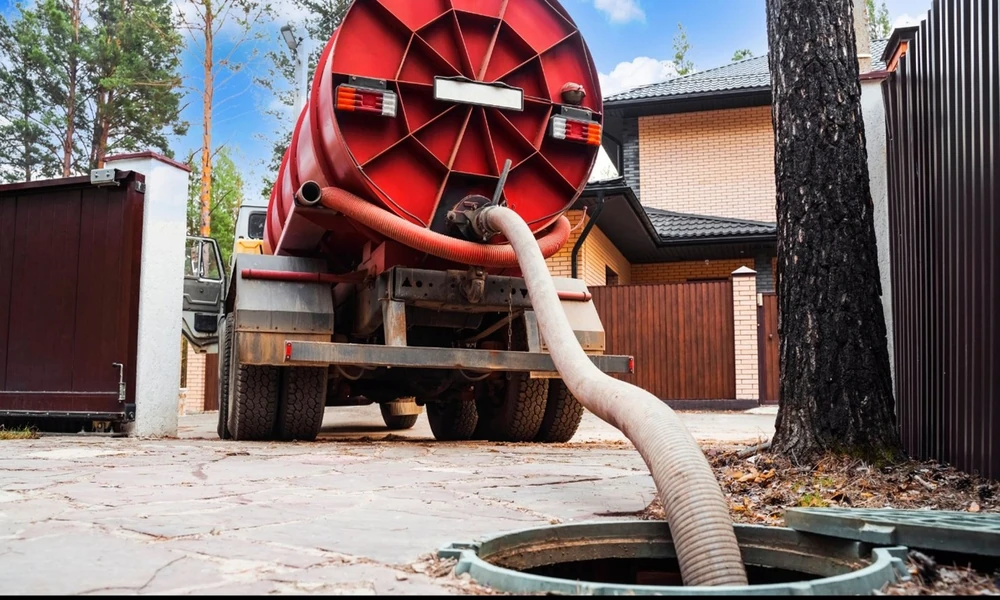
A healthy septic system operates silently beneath the surface of a property, processing household wastewater day and night without requiring much thought from the homeowner. Every time a sink drains, a washing machine finishes a cycle, or a toilet flushes, water and waste travel through a carefully balanced underground network designed to separate solids, break down organic matter, and safely return treated water to the soil.
However, when any component in that chain begins to falter, the disruption is felt immediately. Slow-draining fixtures, unpleasant odors in the yard, soggy patches of grass over the drain field, and sewage backups inside the home are all signs that wastewater flow has been compromised. Restoring that flow requires more than a temporary fix or a store-bought chemical treatment. Professional septic system repair services rely on systematic diagnostics, specialized equipment, and targeted restoration techniques to get wastewater moving safely and efficiently again.
Comprehensive Diagnostics and System Inspection
Professional repair technicians never rely on guesswork when troubleshooting a sluggish or backed-up septic system. Before excavating a single shovel of dirt, they conduct a thorough diagnostic evaluation to pinpoint the exact location and cause of the restriction. This process often starts with locating and uncovering the tank access lids to inspect liquid levels. An abnormally high water level inside the tank typically signals a blockage between the tank and the drain field, whereas a normal or low tank level paired with interior backups points to a clog in the main building sewer line.
To see inside underground pipes without destructive digging, specialists use high-resolution waterproof video inspection cameras. Fed directly through cleanouts or tank baffles, these fiber-optic cameras transmit real-time footage of pipe interiors. Technicians can immediately spot root intrusions, collapsed clay or PVC sections, separated joints, and heavy grease deposits. In more complex cases, technicians may also perform hydraulic load tests or soil percolation assessments to determine whether the drain field itself is still capable of absorbing water or if soil saturation is the primary culprit behind the backup.
Clearing Stubborn Blockages and Root Intrusions
Once the source of an obstruction is identified, repair crews use industrial-grade clearing methods tailored to the specific type of blockage and pipe material. While basic mechanical augers can break through minor clogs, severe buildup requires hydro-jetting. Hydro-jetting equipment sends highly pressurized streams of water through specialized nozzles that scour the entire inner circumference of the pipe. This process strips away hardened grease, scale, and sludge while flushing debris cleanly into the tank for removal.
When tree and shrub roots have infiltrated pipe joints in search of moisture and nutrients, professionals use mechanical root-cutting heads attached to heavy-duty cable machines. These rotating blades slice through dense root masses and restore the full internal diameter of the pipe. Afterward, technicians often apply foaming root-control treatments that inhibit future regrowth without harming the surrounding trees or disrupting the beneficial bacteria inside the septic tank.
Preventive Maintenance to Protect Restored Flow
Restoring proper wastewater flow is only half the battle; keeping the system running smoothly requires ongoing care and smart household habits. After completing repairs, reputable septic technicians walk homeowners through practical steps to protect their investment. Scheduling regular pumping every few years prevents sludge and scum layers from rising high enough to clog baffles or spill into the drain field. Installing accessible ground-level risers makes these routine inspections and pump-outs straightforward and affordable.
Homeowners also play a vital role by controlling what enters the plumbing system. Keeping cooking oils, coffee grounds, flushable wipes, and harsh chemical cleaners out of drains preserves the natural bacterial ecosystem that breaks down waste. Spreading laundry loads throughout the week and fixing leaky faucets prevents sudden surges of water from overwhelming the tank’s settling capacity. Additionally, keeping vehicles, heavy equipment, and deep-rooted trees away from the drain field protects underground pipes from crushing and root invasion.
Conclusion
A failing septic system disrupts daily life and poses serious environmental and health risks, yet most flow issues can be resolved effectively when addressed by trained professionals. By combining non-invasive camera diagnostics, high-pressure pipe cleaning, structural tank repairs, and targeted drain field rejuvenation, septic repair services restore the natural balance that keeps wastewater moving safely away from the home. With prompt intervention at the first sign of trouble and consistent preventive maintenance afterward, property owners can rely on their septic systems for decades of trouble-free performance.