

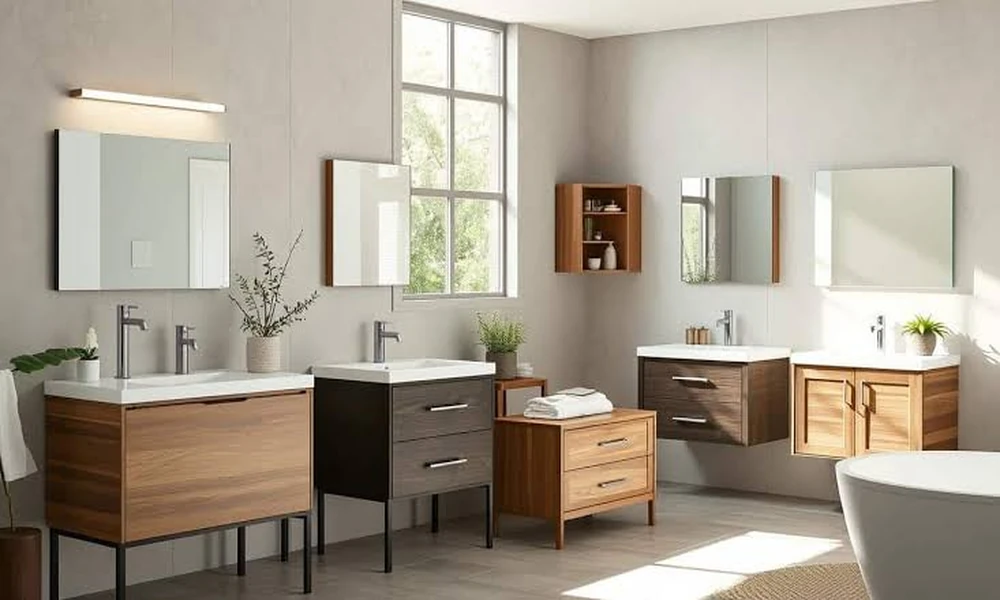
Nothing ages a bathroom faster than a swollen vanity cabinet, peeling countertop, or warping drawers. The material you choose for your vanity is more than a style statement; it is the backbone of how your bathroom weathers years of moisture, spills, and constant use.
How Vanity Materials Impact Bathroom Durability
Materials in the bathroom face a daily test. Every hot shower floods the air with humidity, and every splash from the sink puts cabinetry and counters to the test.
The Role of Moisture and Humidity on Materials
Unlike kitchens or living rooms, bathrooms have a unique set of challenges. Steam seeps into every crevice, and condensation can sit on surfaces for hours. Materials that absorb water, like untreated wood or low-quality particle board, quickly show their limitations. Over time, they can swell, crack, or harbor mold.
Common Material Failures in Bathroom Environments
It’s not just about water. Cleaning agents, hair products, and even the heat from styling tools can weaken glues, finishes, and seams. MDF (medium-density fiberboard) is notorious for bubbling or splitting under these conditions unless it’s carefully sealed.
Longevity Expectations by Material Type
A low-cost vanity might look perfect on installation day but often starts deteriorating within a few years. The right material, by contrast, can keep its structure and finish for a decade or more, even under stress.
Popular Vanity Materials and Their Lifespans
The variety of bathroom vanities in today’s market is staggering, but a closer look reveals a shortlist of core materials, each with its strengths and weaknesses.
Solid Wood: Beauty Versus Susceptibility
Solid wood vanities bring warmth and elegance. Oak, walnut, and maple have rich grains and strong structural integrity. Still, even the best woods can warp or discolor without meticulous sealing and ongoing care, making them a high-maintenance choice in steamy environments.
Engineered Wood and MDF: Cost-Effective but Vulnerable?
Engineered wood (like plywood) and MDF are budget-friendly and often finished with tough veneers or laminates. While they resist minor bumps and bruises, prolonged moisture exposure is their Achilles heel. For powder rooms, these materials work fine; in busy family baths, they may fade fast.
Stone and Quartz Countertops: Durability Meets Style
Natural stone (marble, granite) and engineered quartz bring both luxury and resilience to the countertop. Quartz, especially, stands up to stains, scratches, and splashes. But these surfaces depend on well-sealed joints and high-quality cabinetry beneath to resist underlying water damage.
Polymarble and Solid Surface Options: Pros and Cons
Polymarble and other composite solid surfaces are gaining traction for their seamless appearance and resistance to mildew. They are non-porous and easy to clean, making them a smart choice for contemporary settings or for anyone who wants low-maintenance luxury. However, cheaper variants can be prone to scratching and may not handle heat as well as stone.
Metal and Glass Accents: Enhancing Strength and Aesthetics
Metal frames and glass panels add a modern edge while boosting durability. Metal resists warping and swelling, and tempered glass is surprisingly strong, though both can show fingerprints and need regular wiping to stay pristine.
Material Selection for Different Bathroom Types
Not every bathroom faces the same demands, so your material priorities may shift according to use and space.
Small Bathrooms: Space-Saving and Moisture-Resistant Choices
For powder rooms or tight spaces, wall-mounted vanities in engineered wood with a quality laminate or a solid surface top maximize both resilience and footprint. Avoid solid wood in these settings, where ventilation can be limited.
High-Traffic Family Bathrooms: Prioritizing Durability
Family spaces need bulletproof construction. Opt for moisture-resistant plywood bases, thick polymarble, or quartz counters. Soft-close hardware, found on many modern vanities, also helps reduce long-term wear.
Luxury Master Bathrooms: Combining Longevity with Elegance
Master ensuites offer room to splurge. Here, hardwood cabinetry with stone or advanced solid surface tops blends beauty with lasting performance. Sealed finishes and water-resistant interiors are essential for keeping luxury pristine.
Wall-Mounted vs Freestanding Vanities: Material Considerations
Wall-mounted vanities require rigid construction and lighter-weight but sturdy materials, as they hang from the wall. Freestanding models can handle heavier stones and metal frames, but should have moisture barriers where they meet the floor.
Maintenance and Care to Extend Vanity Life
Material is just the start; how you care for your vanity will dictate its real lifespan.
Cleaning Tips for Each Material Type
– Wood: Wipe with a soft, damp cloth and dry immediately. Use wood-specific cleaners sparingly.
– Stone/Quartz: Use non-abrasive cleaners and avoid anything acidic.
– Polymarble/Solid Surface: Mild soap and water suffice. Avoid scouring pads.
– Metal/Glass: Glass cleaner for shine; check metal parts for signs of rust.
Preventative Measures Against Water Damage
Seal all seams, keep caulking fresh, and use bath mats or rugs to catch drips. Promptly fix leaks or drips before they seep into cabinetry.
When and How to Repair Vanity Materials
Small chips in stone or composite can be filled with repair kits; swollen wood or MDF may need panel replacement. Regularly check hardware for looseness and re-secure as needed.
The Impact of Finish and Sealants on Durability
Even the best materials need a protective finish. Polyurethane or water-resistant lacquers on wood and proper edge sealing on counters make all the difference in warding off everyday hazards.
How Material Choices Affect Bathroom Renovation ROI
Your vanity’s material can affect both your enjoyment of the space and your return when it’s time to sell.
Resale Value Influenced by Vanity Material Quality
Buyers look for vanities that show no sign of warping, stains, or cheap hardware. Materials like quartz and solid wood usually boost perceived value, while chipped laminates or water-stained MDF can drive it down.
Cost-Benefit Analysis of Investing in Durable Materials
The initial cost of premium materials pays off in fewer repairs, longer lifespans, and less frequent replacements. Cheap materials may save now, but could double your costs over the next decade.
Trends in Montreal Bathroom Vanities: What Buyers Prefer
Montreal homeowners increasingly favor wall-hung vanities with engineered quartz counters and soft-close features, blending style with the ability to stand up to tough Canadian winters and humid summers.
Selecting Materials That Complement Overall Bathroom Design
Choose a vanity material that matches both your aesthetic and your lifestyle. Practicality matters as much as beauty. A well-chosen vanity should look as sturdy years from now as it does today.
Choosing the right materials is the foundation of a bathroom that thrives through daily use and ongoing trends. Invest wisely, and your bathroom will age with grace, not regret.