

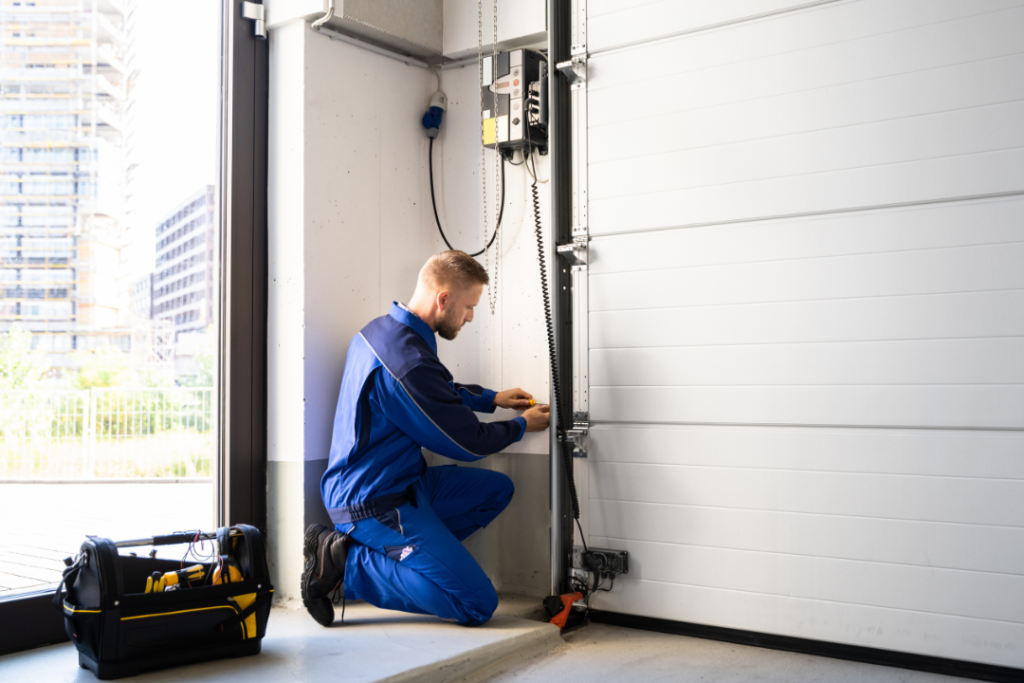
The price tag of a new garage door can sting, but a cheap install often comes with headaches you never budgeted for: botched setups, safety hazards, and repairs sooner than you think. Is it possible to trim expenses without sacrificing the kind of quality that keeps your home secure, functional, and looking sharp? Absolutely, if you know where to cut corners and where not to.
Why Should You Choose Professional Garage Door Installation?
A garage door is not simply a slab of metal or wood on hinges. It’s a complex system of panels, tracks, springs, and cables loaded with tension. While plenty of home projects are fair game for confident DIYers, garage door installation is a different animal. The risk of injury or expensive mistakes is high, especially when improper spring tension or misaligned tracks can lead to hazardous situations.
What Risks Are Involved in DIY Garage Door Installation?
Many homeowners are tempted to save money by tackling the job themselves, but the risk tradeoff is rarely worth it. Spring systems can snap with enough force to cause serious injury, and one wrong move can leave your garage door stuck, crooked, or downright dangerous. Besides, buying all the specialized tools only to use them once rarely makes financial sense.
How Does Professional Installation Ensure Safety and Quality?
Professional installers handle the heavy lifting, literally and figuratively. They bring not just the right tools, but also the experience to ensure every track is level, every cable is taut, and every safety mechanism works flawlessly. A seasoned pro can spot quality problems early and adjust on the fly, avoiding the kind of mistakes that drain your wallet in the long run.
How Can You Cut Costs Without Sacrificing Quality?
Savvy homeowners know how to save without leaving their investment exposed. Often, the answer lies not in going cheap, but in making smarter choices from the start.
Are There Affordable Garage Door Options That Don’t Compromise Durability?
Absolutely. Steel doors often provide the best value in terms of durability and price, while basic models offer security and weather resistance without upscale design costs. Composite and insulated doors can cost more upfront, but they lower energy bills and require less maintenance over time.
When Does It Make Sense to Buy Tools vs. Hiring Professionals?
If you already own most of the tools and have hands-on experience, you might save on minor repairs. But for full installations, hiring a professional often costs less when you factor in tool rentals, time spent learning, and the risk of errors. Pros already own everything needed for a flawless garage door installation.
How to Get Accurate Quotes and Avoid Hidden Fees
Request detailed, written quotes from multiple installers. Make sure labor, hauling away your old door, and any required hardware are included in the estimate. Ask up front about potential add-ons, like disposal fees or extra charges for uneven garage floors, so there are no surprises when the bill arrives.
What Are the Essential Steps in Garage Door Installation?
A well-installed garage door goes through several stages:
– Selecting the right door: Consider your garage size, climate, and personal style.
– Gathering materials: Not just the door itself, but tracks, springs, cables, and fasteners.
– Removing the old door: This step is risky, especially when detaching torsion springs.
– Panel and track installation: Each section must be anchored and aligned perfectly.
– Spring and cable assembly: This is the most technical, and dangerous, phase.
– Testing and final adjustments: Ensures smooth, reliable operation.
How Do Professionals Select the Right Garage Door for Your Home?
Pros assess your garage’s dimensions, usage, and even regional weather before recommending options. They help balance budget and function, saving you from costly mismatches.
What Tools and Materials Are Needed for a Proper Installation?
At a minimum: power drills, wrenches, levels, safety goggles, specific brackets, and specialty springs. Most homeowners lack these on hand, making DIY more expensive than expected.
What Is the Typical Installation Process, Step-by-Step?
The process involves disconnecting the opener, installing panels and tracks, connecting and tensioning the spring assembly, bolting tracks and hardware, and attaching cables. Each step must be completed in sequence to avoid mechanical issues or safety hazards.
How Does the Garage Door Type Affect Installation Costs and Quality?
Choices here matter more than you think.
| Door Type | Cost Range | Durability | Maintenance Needs |
|———————- |—————–|————-|——————|
| Rolling Steel Doors | $$ – $$$ | High | Low |
| Impact Doors | $$$ | Very High | Low |
| Basic Steel Doors | $ – $$ | Good | Medium |
| Composite/Insulated | $$ – $$$ | High | Very Low |
What Are the Differences Between Rolling Steel Doors and Impact Doors?
Rolling steel doors excel in durability and security, making them a smart pick for most homes or businesses. Impact doors offer next-level protection from extreme weather but come at a premium price.
How Do Material Choices Influence Longevity and Maintenance?
Steel and composite doors resist rust and dents better than wood, with less upkeep. Cheaper materials might save you now but usually need replacing sooner, costing more over time.
How Can You Ensure Longevity and Performance After Installation?
Routine maintenance is key. Lubricate moving parts, test safety sensors, and check for wear on cables and springs. Catching problems early can save hundreds, if not thousands, down the road.
When Should You Call Professionals for Repairs or Adjustments?
If your door becomes noisy, jerky, or unresponsive, or if the spring system looks worn, don’t risk a DIY fix. Professional adjustments ensure safety and prevent damage to your opener and tracks.
What Should You Expect to Pay for Garage Door Installation?
Costs span a wide spectrum. The average, including labor, is about $1,200, but smaller, basic doors might be as low as $260, while premium, custom designs can reach $2,300 or more.
| Door Size/Material | Typical Cost |
|———————- |—————-|
| Basic Single Steel | $260 – $700 |
| Insulated/Composite | $750 – $1,500 |
| Custom/Impact | $1,600 – $2,300+|
How to Balance Budget with Quality to Avoid Costly Mistakes
Never skimp on installation. Saving a few hundred dollars up front can backfire with costly repairs or replacements. Focus on value: a sturdy, well-installed door delivers fewer headaches and higher resale value.
Where to Find Trusted Garage Door Installation Professionals?
Start with local, well-reviewed companies. Agencies that serve your area and specialize in both commercial and residential doors are often best equipped for varied needs.
What Questions Should You Ask Before Hiring?
– Are you licensed and insured?
– Do you provide a labor warranty?
– Is cleanup and disposal included?
– Can you offer references or customer reviews?
How to Verify Credentials and Customer Reviews
Look for transparent, verified feedback from past clients and double-check licenses when possible. A reputable installer will always answer questions thoroughly and stand behind their work.
What Are the Key Takeaways for Smart Cost-Cutting Without Compromise?
Trust professionals to handle the heavy lifting, but shop around for the right door and the best possible quote. Insist on clear pricing, reliable materials, and ongoing support.
Final Tips for a Successful Garage Door Installation Experience
Invest where it counts, on quality hardware, skilled labor, and regular upkeep. The smartest way to cut costs? Avoid redoing the job altogether. That’s money well saved.