

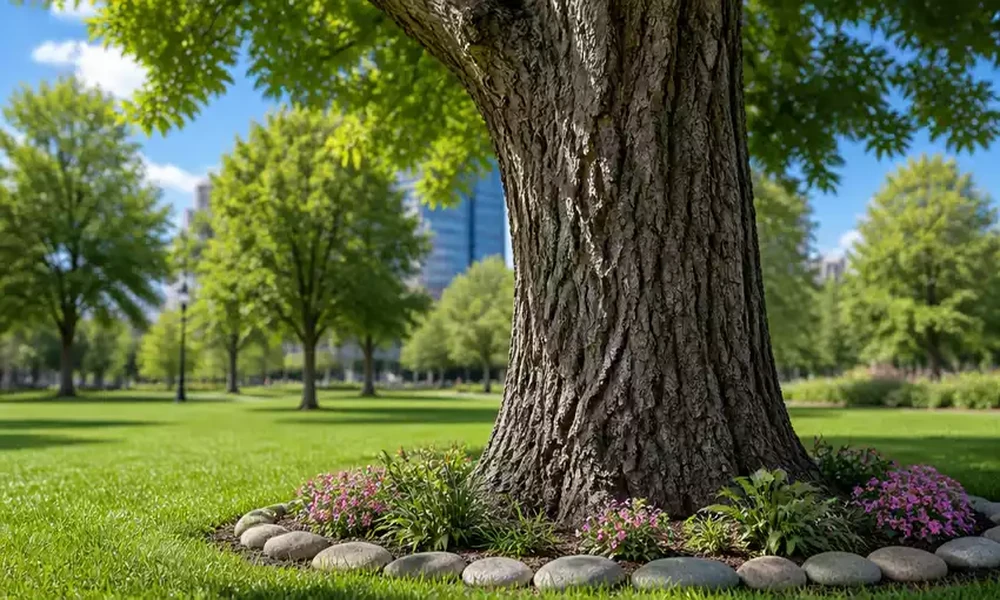
Trees are an important part of residential and commercial landscapes. They provide shade, improve outdoor appearance, support wildlife, and contribute to environmental health. However, maintaining trees requires regular attention, especially when dealing with damaged branches, overgrown vegetation, declining tree health, or potential safety hazards. Understanding the importance of professional tree service in Grants Pass can help property owners make informed decisions about pruning, tree removal, stump grinding, and long-term landscape maintenance.
1. Why Tree Maintenance Is Important
Trees require different levels of care depending on their species, age, growing conditions, and surrounding environment. Without proper maintenance, dead branches, structural weaknesses, and disease can gradually affect their health.
Regular inspections help identify problems before they become more serious. For example, a cracked branch may eventually fall during strong winds, while damaged roots can affect the stability of an otherwise healthy-looking tree.
Some important benefits of regular tree maintenance include:
- Removing dead and potentially hazardous branches.
- Supporting healthy tree growth and development.
- Improving sunlight penetration and airflow.
- Identifying diseases and insect infestations.
- Maintaining a balanced landscape appearance.
- Reducing risks to nearby buildings, vehicles, and walkways.
A consistent maintenance routine also helps property owners understand how their trees change throughout different seasons.
2. Recognizing When a Tree Needs Pruning
Tree pruning involves selectively removing branches to improve structure, manage growth, and address potential hazards. It should be performed according to the tree’s condition and specific requirements rather than simply reducing its overall size.
There are several situations where pruning may be necessary:
Dead branches: Removing deadwood helps reduce the possibility of branches falling unexpectedly.
Crossing branches: Branches that rub against one another can develop wounds that create opportunities for pests and diseases.
Overgrown limbs: Branches extending toward roofs, driveways, or walkways may require appropriate clearance.
Structural problems: Young trees may benefit from selective pruning that encourages a stronger natural structure.
Diseased growth: Certain infected branches may need to be removed to limit further damage.
Pruning techniques matter because incorrect cuts can damage the branch collar and interfere with the tree’s natural response to injury. Excessive pruning can also remove too much healthy foliage.
3. Understanding Tree Removal and Safety Risks
Although preserving healthy trees is generally beneficial, removal may become necessary when a tree presents an unacceptable safety risk or has reached an advanced stage of deterioration.
A tree with significant trunk decay, extensive root damage, or major structural cracks may become unstable. Trees that have been severely damaged by storms can also require professional assessment.
Consider the following warning signs:
| Warning Sign | Potential Concern |
|---|---|
| Large trunk cracks | Structural weakness |
| Significant dead branches | Increased risk of falling limbs |
| Exposed or damaged roots | Reduced stability |
| Hollow trunk sections | Possible internal deterioration |
| Sudden leaning | Potential root or structural failure |
| Fungal growth near the base | Possible root or trunk decay |
Not every tree displaying these symptoms requires removal. A qualified arborist can evaluate its condition and determine whether pruning, monitoring, treatment, or removal is the most appropriate option.
Large trees should never be removed using improvised equipment or unsafe climbing methods.
4. How Seasonal Weather Affects Trees
Weather conditions influence tree growth, health, and structural stability. In Southern Oregon, seasonal rainfall, summer dryness, strong winds, and occasional winter storms can create different maintenance challenges.
During dry periods, trees may experience moisture stress. Common symptoms include wilting leaves, premature leaf drop, reduced growth, and declining branch health.
Heavy rainfall can create different problems, particularly in areas with poor drainage. Saturated soil may affect root conditions and increase the risk of instability in certain situations.
Strong winds can break weakened branches, split trunks, and damage exposed root systems.
After severe weather, property owners should inspect their landscapes from a safe distance. Hanging limbs, partially uprooted trees, and damaged branches near electrical lines require professional attention.
5. The Importance of Stump Grinding
After a tree has been removed, the remaining stump can become an obstacle for future landscaping and property improvements.
Stumps may interfere with lawn mowing, create tripping hazards, attract certain insects, and occupy valuable outdoor space. As the wood decomposes, it may also become a suitable environment for fungi.
Stump grinding is a commonly used method for addressing these problems. Specialized machinery reduces the remaining stump into wood chips, generally grinding it below the surrounding ground level.
Before scheduling this work, property owners should consider:
- The stump’s diameter and depth.
- The location of underground utilities.
- Nearby structures, fences, and landscaping.
- Accessibility for grinding equipment.
- Whether the area will be replanted or used for construction.
The appropriate approach depends on the stump’s condition and the property’s future landscaping requirements.
6. Preparing Properties for Wildfire Season
Wildfire preparation is particularly important for properties surrounded by trees, shrubs, and other vegetation.
Dry leaves, fallen branches, deadwood, and dense undergrowth can contribute to available wildfire fuel. Managing vegetation around buildings can help reduce potential fire exposure.
The Oregon State Fire Marshal recommends creating defensible space through vegetation management and appropriate maintenance around structures. Its Defensible Space Guide explains the different zones surrounding a home and practical ways to manage them.
Some useful maintenance practices include:
- Removing dead branches and accumulated vegetation.
- Clearing dry leaves and needles from roofs and gutters.
- Managing shrubs and plants close to buildings.
- Reducing vegetation that connects ground fuels to tree canopies.
- Maintaining suitable separation between tree crowns.
- Keeping access routes clear for emergency vehicles.
Oregon State University Extension also provides a detailed Wildfire Safety Guide for Homeowners and Landowners, which explains how vegetation management and ongoing maintenance contribute to defensible space.
These practices should be adapted to the property’s terrain, vegetation, and local fire-safety recommendations.
7. Protecting Tree Roots and Soil Quality
Healthy roots are essential for maintaining tree stability and supporting the absorption of water and nutrients. However, root systems can be affected by construction, soil compaction, poor drainage, and physical damage.
Heavy machinery operating near established trees can compress the soil and restrict root development. Excavation may also damage important structural roots, potentially affecting the tree’s long-term stability.
Property owners can support healthier growing conditions through several practices:
Avoid unnecessary soil compaction: Limit heavy equipment and repeated vehicle movement around root zones.
Use appropriate mulch: Organic mulch helps conserve moisture and regulate soil temperature.
Maintain suitable drainage: Standing water around roots can create unfavorable growing conditions for certain species.
Avoid excessive fertilization: Soil testing can help determine whether additional nutrients are actually needed.
Protecting the root system is especially important when planning outdoor renovations, driveway improvements, or other construction activities.
8. Developing a Practical Tree Care Schedule
A seasonal maintenance schedule makes it easier to monitor tree health and identify potential problems.
| Season | Recommended Maintenance |
|---|---|
| Spring | Inspect new growth and look for pests or disease |
| Summer | Monitor soil moisture and signs of drought stress |
| Fall | Remove appropriate deadwood and inspect storm-related risks |
| Winter | Evaluate structural conditions and plan suitable pruning |
The ideal schedule depends on tree species, local weather, and individual property conditions. Some trees benefit from dormant-season pruning, while others have different timing requirements.
Keeping records of previous inspections, pruning, disease treatments, and removals can also help property owners make better long-term decisions.
Conclusion
Maintaining healthy trees requires consistent attention, appropriate pruning, and an understanding of environmental conditions. From identifying hazardous branches and managing root health to removing unwanted stumps and preparing landscapes for wildfire season, responsible maintenance helps protect both trees and surrounding properties.
Property owners who recognize early warning signs can address developing problems before they become more complicated. Combining routine inspections with appropriate professional assistance supports healthier landscapes, improves outdoor safety, and helps preserve valuable trees for years to come.