

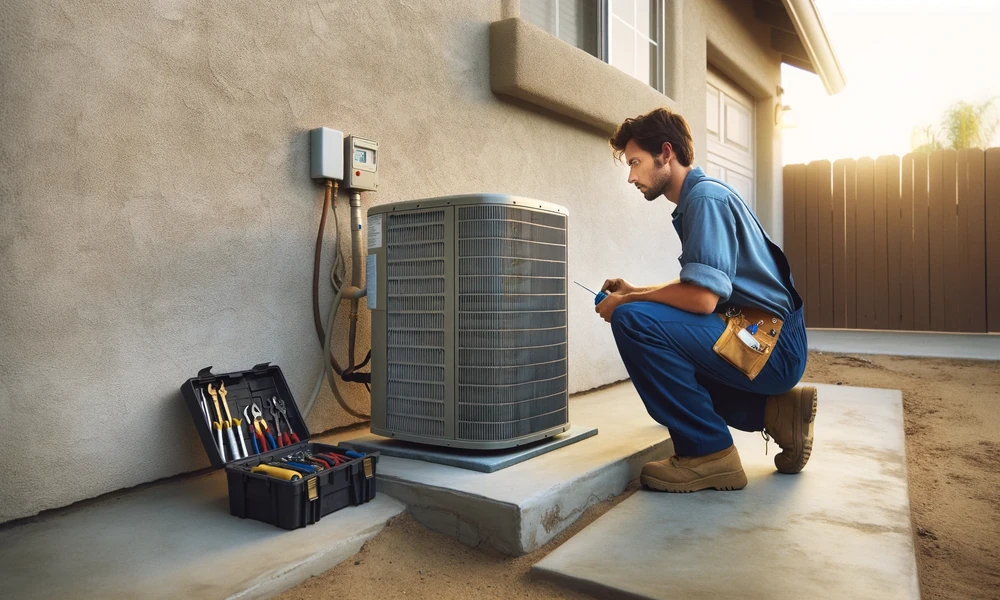
After living in Duluth for several years, I’ve learned that home maintenance often comes down to paying attention to the little things before they become major headaches. In my neighbourhood near Sugarloaf Parkway in Gwinnett County, seasonal humidity, heavy pollen in the spring, and the constant pace of family life all take a toll on household appliances. Between keeping groceries cold during Georgia’s hot summers, running multiple laundry loads each week, and relying on the dishwasher after family gatherings, appliances rarely get much of a break.
I’ve also noticed that many homeowners in nearby Buford experience similar challenges. Whether it’s a refrigerator working harder during humid weather or a dryer taking longer because of lint buildup, small warning signs often appear long before an appliance completely fails.
Appliance EMT Master Technician Alex explains that most major appliance breakdowns begin with relatively minor issues that homeowners unknowingly ignore. According to Alex, unusual noises, longer operating cycles, inconsistent temperatures, or small water leaks are often early indicators that a simple repair today could prevent a much more expensive repair tomorrow. After seeing these situations repeatedly, I’ve realized that a little preventive maintenance goes a long way toward avoiding unexpected disruptions.
Key Takeaways
- Most appliance failures begin with small warning signs.
- Regular maintenance improves performance and extends appliance life.
- Proper appliance usage reduces unnecessary wear.
- Early repairs help prevent larger expenses.
- Professional service is the safest option for complex appliance issues.
Why Small Appliance Problems Should Never Be Ignored?
Most household appliances don’t suddenly stop working without any indication of trouble. Instead, they typically develop small performance issues that gradually become more noticeable over time.
Ignoring these early warning signs often leads to larger repairs, higher energy bills, and unnecessary inconvenience. Addressing problems while they’re still minor is usually less expensive than waiting for complete failure.
Small Changes Often Signal Bigger Problems
A refrigerator that runs a little longer than usual, a dryer taking extra time to dry clothes, or a dishwasher leaving dishes slightly dirty may seem like minor annoyances. However, these changes often indicate developing problems that deserve attention.
Living in Gwinnett County, I’ve found it’s easy to dismiss these gradual changes because appliances usually continue working well enough to get through another week. Unfortunately, waiting often allows a small issue to develop into a much larger repair. Friends in nearby Buford have shared similar experiences after ignoring minor refrigerator or dryer problems that eventually became complete breakdowns.
Early Repairs Save Time and Money
Repairing a worn door seal, replacing a clogged filter, or cleaning condenser coils is typically much simpler, and far less expensive, than replacing major components that fail because the original issue was ignored.
Everyday Habits That Extend Appliance Lifespan
The way appliances are used each day has a significant impact on how long they continue operating efficiently.
Developing a few good habits helps reduce unnecessary strain while improving overall performance.
Clean Appliances Regularly
Alex explains that preventive cleaning is one of the simplest ways homeowners can avoid unnecessary repairs. In his experience, clogged refrigerator condenser coils, lint-filled dryer vents, and grease buildup around kitchen appliances force motors and other components to work much harder than they were designed to, reducing efficiency and shortening their lifespan.
Dust, grease, lint, food debris, and mineral deposits naturally build up over time.
Cleaning appliances regularly helps maintain proper airflow, improves efficiency, and reduces wear on important components.
Avoid Overloading
Whether it’s a washing machine, dryer, dishwasher, or refrigerator, overloading forces appliances to work harder than intended.
Following recommended load capacities improves performance while reducing unnecessary mechanical stress.
Follow Manufacturer Guidelines
Using the correct detergents, temperature settings, and operating procedures helps appliances perform as designed.
Manufacturer recommendations are intended to maximize efficiency while protecting internal components from premature wear.
Common Warning Signs Every Homeowner Should Watch For
Many appliance problems become much easier to repair when they’re identified early.
Watch for these common warning signs-
Unusual Noises
Grinding, squealing, buzzing, rattling, or clicking sounds often indicate worn mechanical components or developing electrical problems.
Reduced Performance
Longer drying times, uneven oven heating, inconsistent refrigerator cooling, or poor dishwasher cleaning may all signal internal issues.
Water Leaks
Water around washing machines, refrigerators, dishwashers, or ice makers should never be ignored.
Alex recommends paying attention to patterns instead of isolated incidents. One unusual sound or a single longer drying cycle may not indicate a serious problem, but repeated changes in appliance performance usually deserve closer inspection before additional damage occurs.
Small leaks can quickly cause damage to flooring, cabinetry, and surrounding structures.
Higher Utility Bills
An unexplained increase in electricity or water usage sometimes indicates that an appliance is working harder than necessary because of a developing problem.
Maintenance Habits That Prevent Costly Repairs
Preventive maintenance requires very little time but delivers significant long-term benefits.
Simple maintenance practices include-
- Clean filters and vents regularly.
- Inspect water hoses and power cords.
- Watch for unusual smells or sounds.
- Address minor performance changes promptly.
Performing these small tasks throughout the year helps improve efficiency while reducing unexpected breakdowns.
Since moving to Duluth, I’ve made a habit of checking appliance filters and looking for small leaks every month. It only takes a few minutes, but it’s much easier than dealing with an unexpected appliance failure in the middle of a busy workweek.
Why Preventive Maintenance Is Worth the Effort?
Routine maintenance offers benefits that extend well beyond avoiding repair bills.
Better Energy Efficiency
Clean, properly maintained appliances consume less electricity and water because they operate more efficiently.
Longer Appliance Lifespan
Reducing unnecessary wear allows motors, compressors, pumps, heating elements, and electronic components to last considerably longer.
Improved Daily Performance
Well-maintained appliances clean better, cool more consistently, cook more evenly, and generally perform the tasks they were designed to do without interruption.
When It’s Time to Call a Professional
Basic maintenance is appropriate for many homeowners, but some appliance problems require professional knowledge and specialized tools.
Electrical systems, gas appliances, sealed refrigeration systems, and major mechanical repairs should always be handled by qualified technicians.
Electrical Problems
Repeated breaker trips, burning odours, exposed wiring, or electrical error codes should be professionally evaluated immediately.
Persistent Mechanical Issues
If an appliance continues making unusual noises, performing poorly, or displaying recurring error codes after routine maintenance, the problem likely extends beyond simple cleaning or adjustment.
Water or Gas-Related Concerns
Water leaks and gas appliance problems should always receive prompt professional attention to prevent property damage and ensure household safety.
If an appliance continues showing the same warning signs despite routine maintenance, Appliance EMT Master Technician Alex recommends scheduling professional service rather than continuing to guess at the cause. Proper diagnostic equipment can identify whether the issue involves worn mechanical parts, electrical components, or installation-related problems. Homeowners looking for appliance repair in Duluth, GA can often prevent larger repairs by addressing these issues early instead of waiting for complete appliance failure.
Create a Simple Appliance Maintenance Routine
The best maintenance schedule is one you’ll actually follow.
Setting aside a small amount of time every month can help prevent many common appliance failures.
Good maintenance habits include-
- Perform routine visual inspections.
- Replace or clean filters as recommended.
- Check hoses, vents, and electrical cords.
- Monitor appliance performance for gradual changes.
- Schedule preventive servicing if performance begins declining.
A consistent routine reduces unexpected repairs while helping appliances operate efficiently throughout the year.
Final Words
After living in Duluth for several years, I’ve learned that the most expensive appliance repairs are often the ones that begin as minor issues nobody thinks are urgent. Paying attention to small changes in performance, cleaning appliances regularly, and following simple maintenance routines has helped me avoid unnecessary breakdowns. As Appliance EMT Master Technician Alex points out, early diagnosis is almost always less expensive than waiting for a complete failure. Whether you live in Duluth, Buford, or elsewhere in Gwinnett County, taking a proactive approach to appliance care can keep your home running smoothly while helping your appliances deliver reliable performance for years to come.
FAQs
What causes most appliance breakdowns?
Most appliance failures result from gradual wear, lack of maintenance, clogged filters, blocked vents, worn components, electrical issues, or small problems that weren’t addressed early.
How often should household appliances be maintained?
Basic maintenance should be performed throughout the year, while deeper cleaning and inspections should follow the manufacturer’s recommendations. Frequently used appliances often benefit from seasonal maintenance.
What warning signs should homeowners never ignore?
Persistent unusual noises, water leaks, burning smells, inconsistent performance, repeated error codes, and higher utility bills are all signs that an appliance may need attention.
Can regular maintenance reduce repair costs?
Yes. Routine maintenance helps appliances operate more efficiently, reduces unnecessary wear, identifies developing problems early, and often prevents more expensive repairs later.
When should I contact a professional for appliance problems?
You should contact a professional if an appliance develops electrical issues, gas-related concerns, repeated mechanical problems, significant water leaks, or performance issues that continue after routine maintenance.
Does overloading appliances shorten their lifespan?
Yes. Overloading washing machines, dryers, dishwashers, and even refrigerators places additional strain on motors, pumps, and other components, increasing wear over time.
Why do dirty filters and vents matter?
Dirty filters and blocked vents restrict airflow, reduce efficiency, force appliances to work harder, and can eventually contribute to overheating or component failure.
Is preventive maintenance really worth the effort?
Absolutely. Spending a few minutes each month inspecting and maintaining household appliances can improve performance, lower energy consumption, extend equipment lifespan, and significantly reduce the likelihood of unexpected breakdowns.
Top of Form
Bottom of Form