

[image recommendation start]
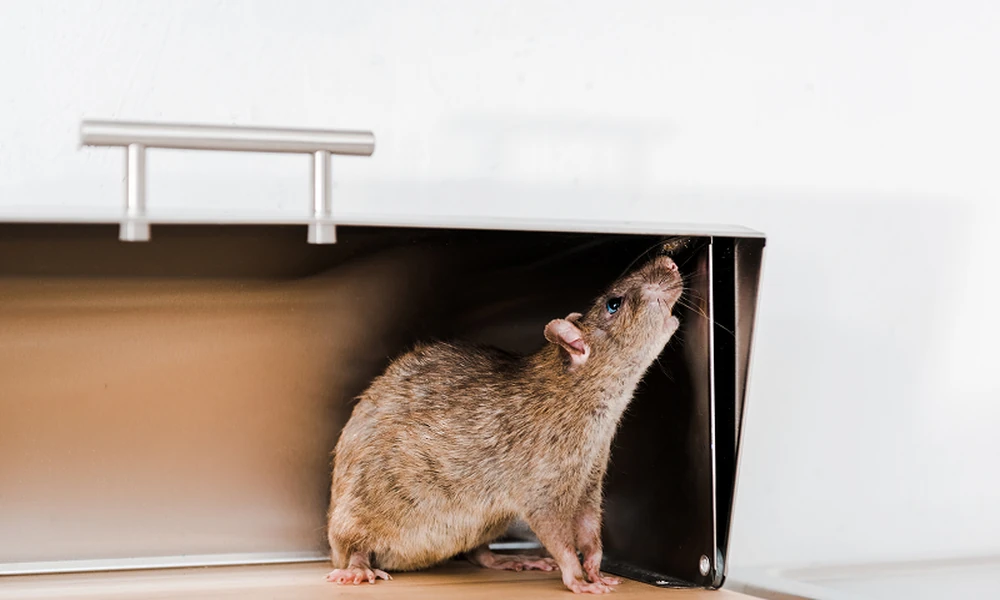
Concept: a rat cautiously crawling inside a house
[image recommendation end]
Key Highlights
- Block gaps larger than 5mm with steel wool or metal plating to deny physical access.
- Store all perishables in airtight glass or metal containers to remove the scent of easy meals.
- Trim overhanging branches and clear clutter near the foundation to remove climbing routes and nesting spots.
- Schedule regular inspections to catch early signs of activity before a full infestation takes root.
Introduction
Victory over a vermin infestation often feels short-lived when you hear that familiar scuttling behind the wainscoting just weeks after a professional treatment. The reality of how to get rid of rats effectively is that the initial removal is merely the first phase of a much longer defensive strategy.
Rats are remarkably intelligent creatures with a powerful homing instinct and a biological drive to return to places where they previously found warmth and sustenance. If you leave the door metaphorically open by failing to address the root environmental factors, you are essentially inviting a new colony to occupy the vacant real estate left by the previous one.
1. Hardening Your Perimeter Against Intruders
Your first line of defence involves a meticulous audit of the building’s exterior to identify every possible fissure that a flexible rodent could squeeze through. Because rats can compress their ribcages to fit through a gap the size of a two-pence coin, standard caulking or plastic fillers simply will not suffice, as they can easily gnaw through these soft materials.
Effective rodent control requires the use of industrial-grade materials like stainless steel mesh, concrete, or metal kick plates on the base of wooden doors. Focus specifically on utility entry points where pipes and cables pass through walls, as these are often the most common motorways for pests entering a modern home.
2. Depriving the Colony of Its Daily Bread
Rats possess an incredibly keen sense of smell that can detect a crumb of fallen biscuit or a smear of grease from several metres away. If you are serious about how to get rid of rats for good, you must transform your kitchen into a fortress of sanitation where no food is left exposed overnight.
Transitioning from cardboard boxes and plastic bags to heavy-duty glass or metal canisters creates a sensory barrier that prevents pests from identifying your pantry as a viable food source. This discipline must extend to your waste management habits, ensuring that external bins have tight-fitting lids and are situated far from the main structure of the house.
3. Strategic Landscaping and Clutter Reduction
The garden is frequently the staging ground where a rodent infestation begins its journey toward your interior spaces. Overhanging tree branches act as natural bridges that allow roof rats to bypass your ground-level defences and enter through attic vents or loose roof tiles.
Consistent rodent control involves keeping your lawn trimmed and removing piles of wood or debris that provide the dark, sheltered environments rats crave for nesting. By maintaining a clear “buffer zone” of gravel or paving stones directly against the house foundation, you make the approach too exposed for a cautious rodent to traverse comfortably.
4. The Importance of Routine Professional Surveillance
Even the most diligent homeowner might miss a subtle change in the environment that signals a returning threat, such as a smear mark along a skirting board or a slightly gnawed wire. Investing in a long-term relationship with experts who understand the local ecology ensures that your defences are updated as the seasons change and rodent behaviour shifts.
True, how to get rid of rat success relies on proactive monitoring rather than waiting for a crisis to occur, as detecting a single scout is significantly easier to manage than dealing with a settled breeding pair. These experts can provide specialised baiting and trapping strategies that are far more sophisticated and effective than anything available on a supermarket shelf.
Conclusion
Securing your property against a secondary invasion requires a blend of structural fortification and a radical shift in how you manage your domestic environment. While the initial removal clears the immediate threat, the four steps of sealing, cleaning, landscaping, and monitoring form the true backbone of a pest-free existence. Taking these precautions today will save you the significant stress and expense of a recurring infestation in the future.
Ensure your property remains a fortress by partnering with the leaders in local pest management. Contact Rentokil Singapore today for comprehensive pest control services in Singapore and reclaim your peace of mind with our expert, long-term protection plans!