

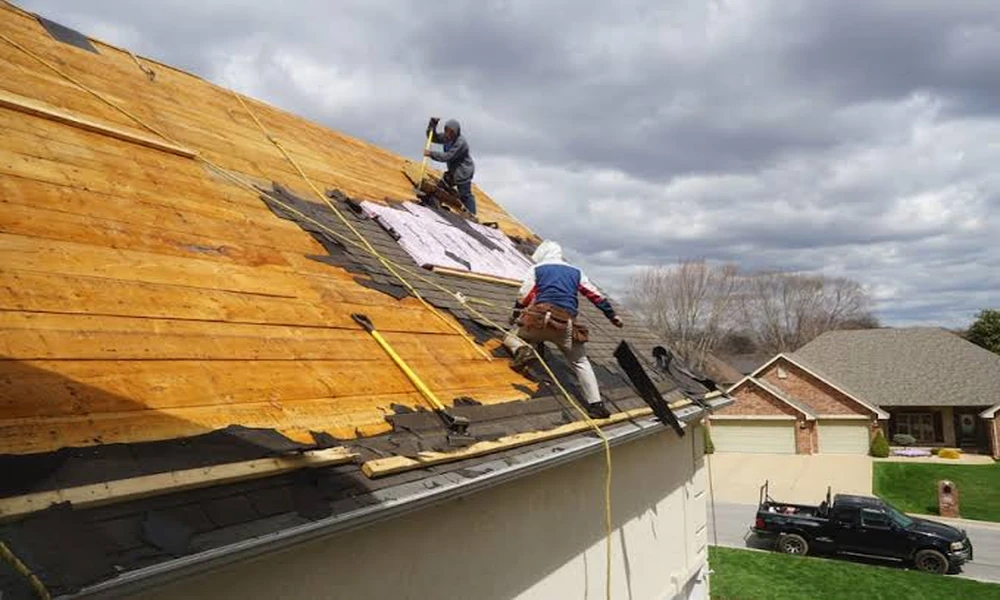
Every home’s roof protects everything inside. The roof prevents rain, wind, heat, and cold from entering the walls, insulation, and rooms. However, over the years, the roof will be damaged by the sun, rain, wind, and the elements. A minor issue can turn into something else that can bring major damage, mold, and expensive repairs. Because of that, it is very important to detect roof damage as soon as possible.
Finding warning signs before water gets into your home can help you fix small things early and save money. You can look for problems, like broken shingles after a big storm or damp spots in your attic. If you fix these small things right away, you stop small leaks from turning into big problems later.
When you get a licensed expert for roof repair allen tx, the expert will find things like local damage, missing flashing, or old underlayment. They will fix them before you end up with bigger and more expensive repairs in your home.
Visual Red Flags on the Outer Roof Surface
Checking the roof often with binoculars from the ground lets you see signs that something might be wrong with the shingles or roof tiles. You can also ask a roof expert to take a look. They may find problems early.
- Curling, Buckling, or Cracked Shingles: When it is very hot or very cold, asphalt shingles do not bend well. The edges can curl up or crack. This helps wind and rain reach the layer under the shingles.
- Granule Loss in Gutters: Asphalt shingles have small mineral bits that help cover the roof from sunlight. If you spot dark and sandy stuff in your gutters, it means your shingles are wearing out.
- Missing Shingles: Strong winds can take away weak shingles. This makes open places on the roof where water can come in.
| Roof Issue | Primary Visual Indicator | Potential Structural Consequence |
|---|---|---|
| Flashing Separation | Gaps around chimneys, vents, and skylights | Direct water runoff into interior wall cavities |
| Granule Depletion | Bare or smooth spots on asphalt shingles | Accelerated shingle cracking and UV deterioration |
| Damaged Soffits/Fascia | Peeling paint, soft wood, or water staining | Rotted roof overhangs and pest infiltration |
| Sagging Roof Deck | Noticeable dips along the ridge line or roof plane | Severe structural timber rot or truss failure |
Interior Warning Signs of Hidden Water Damage
Roof leaks do not start with the room full of water right away. They start slowly, and the water can hide behind walls or sit in the ceiling insulation.
- Ceiling and Wall Discoloration: Yellow-brown water marks or stains on ceilings and at the top of walls show that water is building up in the drywall.
- Peeling Paint or Wallpaper: Water moves through the wall frame and breaks glue bonds. This makes paint lift or wallpaper come away from the drywall.
- Musty Odors in the Attic: A damp smell in the attic or in rooms near the top means water is trapped, insulation is wet, or mold is growing.
3. Attic Inspection: Spotting Water Intrusion Firsthand
The attic lets you look at the underside of your roof deck. This is a good spot where you can spot leaks early. When it rains hard, or after the rain stops, go into the attic. Take a bright flashlight with you.
- Water Stains on Rafters and Sheathing: Look at the timber rafters and plywood sheathing. You might see dark marks, water spots, or white stains.
- Daylight Getting Through: If sunlight comes in from the roof deck, water will come in the same spot when it rains.
- Damp or Compacted Insulation: Wet insulation does not keep warmth in as well. If the insulation under roof joints is wet or pressed down, water is getting in.
4. Addressing Flashing, Vent Seals, and Gutter Maintenance
Roof leaks often start where things go through the roof, and not on the open shingles. Flashing placed around chimneys, plumbing vents, and skylights helps keep water out where the roof meets another part.
Over time, caulk breaks down, sealant dries up, and flashing can move when the house settles. Gutters that get blocked hold water. This pushes water back under the lower shingles and makes the boards at the edge rot.
5. Taking Proactive Steps Toward Roof Preservation
Finding leaks early can help stop damage to wood. It also helps keep the air in your home clean by stopping mold. When you work with a good expert for regular checks and fast roof repair allen tx, it makes sure that small leaks, missing roof parts, and problems under the roof get fixed right away and done well.
Conclusion
Keeping your roof safe means you need to look at it often and fix any issues right away. If you find signs like lost shingle granules, stains inside, or loose flashing, you can stop small problems before they get big. A routine roof check and repair helps you protect what you spend on your home. It keeps your house comfortable and safe for many years.